
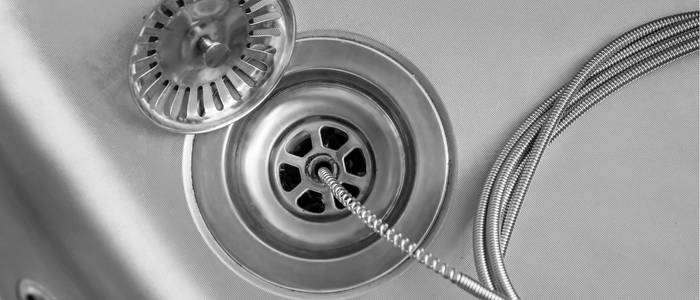
Do you sometimes deal with a stubborn clogged drain that won’t clear no matter what you try?
It can feel frustrating and even a bit intimidating, especially if you’re not sure which method is safe or effective. The good news is that with the right approach, you can handle this common plumbing issue yourself.
In this guide, we’ll walk through drain snaking what to do and what to avoid, step by step, so you can fix blockages confidently and safely.
We’ll explore practical techniques, helpful tips, and common mistakes so you know exactly how to proceed. Together, we’ll break down the process into simple steps that make sense, even if you’re new to DIY home improvement.
Why is this guide valuable? Because we combine clear instructions, expert insights, and troubleshooting advice to help you avoid costly errors and get your drains flowing smoothly again.
What to Do and What to Avoid When Drain Snaking
- Choose the right drain snake: Select a snake that matches your plumbing system to ensure effective cleaning without causing damage.
- Feed the snake gradually: Insert the cable slowly into the drain to prevent scratches, cracks, or other damage to your pipes.
- Don’t force the cable: Avoid pushing the snake through resistance; this can harm both the pipe and the tool.
- Use protective gear: Always wear gloves and safety equipment to protect your hands and eyes during the process.
- Clean and store properly: After use, clean the snake thoroughly and store it safely to maintain its longevity and performance.
Understanding the basics of drain snaking helps prevent unnecessary damage and frustration. When we approach the task patiently and use the right tools, we can clear most minor clogs effectively. At the same time, avoiding aggressive handling or incorrect techniques ensures that pipes remain intact and functional for long-term use without costly repairs.
Essential Drain Snaking Tips: What to Do and What to Avoid
- Choose a manual or motorized drain snake based on the severity of the clog and the size of your pipes.
- Insert the snake carefully, allowing it to follow the natural curves of the plumbing.
- Rotate the handle steadily to break up debris without forcing it.
- Avoid excessive force to prevent scratches or cracks in pipes.
- Slowly pull the snake out to remove loosened material completely.
- Rinse the drain thoroughly to flush away any remaining residue.
- Check the snake for any damage before and after use.
- Store the tool in a dry area to prevent rust and prolong its lifespan.
When Drain Snaking Is the Right Choice and What to Avoid
Drain snaking is ideal for clogs caused by hair, grease buildup, or minor debris in sinks, tubs, and floor drains. We should consider this method when plunging fails or when water drains slowly rather than being completely blocked.
However, we must avoid using a snake for severe obstructions like collapsed pipes or major tree root intrusions, as these require professional tools.
Recognizing when a clog is beyond DIY capability helps prevent worsening the issue. By choosing the right situation for this method, you can save time and effort while maintaining your plumbing system effectively.
Common Drain Snaking Mistakes and Safe Practices
One of the most common mistakes homeowners make is forcing the snake too aggressively into the pipe. This can damage pipe walls or push the clog deeper.
Another issue is using the wrong type of snake, which reduces effectiveness and increases risk. We also often forget to wear gloves, exposing ourselves to bacteria and debris. Safe practices include moving slowly, feeling for resistance, and adjusting technique rather than applying force.
It’s important to clean the snake thoroughly after use to maintain hygiene and tool longevity. Additionally, avoiding chemical cleaners before snaking is wise, as they can react with residue and cause harm. By following safe practices, we protect both our plumbing system and ourselves while achieving better results.
What to Do Before Using a Drain Snake
Before starting, we should inspect the drain, remove visible debris, and select the appropriate snake type. Preparing the area ensures a smoother process and reduces the risk of unexpected complications during the task.
What to Avoid During Drain Snaking
Avoid rushing or forcing the tool. Sudden movements can damage pipes or cause the snake to tangle. Staying patient and controlled ensures better performance and safer results.
Drain Snaking Safety Rules — What to Do and What to Avoid
- Always wear protective gloves to shield your hands from sharp debris, harmful chemicals, and other contaminants that may be present while working.
- Use appropriate eye protection, such as safety goggles, whenever handling motorized drain snakes to prevent injury from flying debris.
- Keep the work area clean and dry at all times to reduce the risk of slipping or falling.
- Avoid wearing loose clothing, jewelry, or accessories that could get caught in rotating equipment and cause accidents.
- Maintain a firm and steady grip on the snake to ensure full control over its movement during operation.
- Always disconnect power tools from the electrical supply when not in use to prevent accidental startup and enhance safety.
- Work in a well-lit area so you can clearly see all parts of the drain and equipment, minimizing mistakes and potential hazards.
Mastering Drain Snaking: Dos and Don’ts
For quick results, we focus on controlled movements, proper tool selection, and steady handling. Avoid rushing or applying force. When we follow simple techniques and remain patient, we can clear minor clogs efficiently without causing unnecessary damage or complications in the plumbing system.
- Use correct tools – Always choose the proper tools designed for the task to ensure efficiency and prevent damage.
- Move slowly – Take your time with each step to avoid mistakes and reduce the risk of accidents.
- Avoid force – Never apply excessive pressure; let the tools and method do the work naturally.
- Wear protection – Always wear gloves, goggles, and other safety gear to protect yourself.
- Clean tools – After use, clean your tools thoroughly to maintain their performance and longevity.
- Inspect pipes – Regularly check pipes for damage, blockages, or wear before and after work.
Drain Cleaning Made Easy: Do’s and Don’ts of Snaking
- Insert the snake carefully into the drain, ensuring it goes straight without forcing it.
- Turn the handle slowly to allow the snake to move deeper into the pipe.
- Push gently as you feed the snake further to reach the clog.
- Break the clog by maneuvering the snake back and forth.
- Pull slowly while continuing to turn the handle.
- Remove debris from the snake once the clog is cleared.
- Rinse the drain with water to flush out any remaining residue.
- Clean the tool thoroughly before storing it to prevent rust or contamination.
In summary, success comes from patience, proper technique, and safety awareness. When we understand drain snaking what to do and what to avoid, we can confidently tackle common clogs. Following best practices ensures efficient results while protecting both our plumbing system and our tools from unnecessary damage.
Drain Snaking What to Do and What to Avoid Comparison Table
| Action | What to Do | What to Avoid |
| Tool Selection | Choose correct snake type | Using wrong size tool |
| Technique | Move slowly and steadily | Forcing through resistance |
| Safety | Wear gloves and protection | Ignoring safety gear |
| Maintenance | Clean tools after use | Leaving debris on snake |
| Application | Use for minor clogs | Using for severe damage |
| Handling | Maintain control | Letting snake twist wildly |
| Preparation | Inspect drain first | Skipping initial check |
| Post-use | Flush drain thoroughly | Leaving residue behind |
Professional Drain Snaking What to Do and What to Avoid
Sometimes, despite our best efforts, a clog may persist. In such cases, professional help becomes necessary. Experts have advanced tools and experience to handle complex issues safely.
While learning drain snaking what to do and what to avoid empowers us, recognizing our limits is equally important. Calling a professional prevents further damage and ensures the problem is resolved thoroughly.
We should view DIY efforts as a first step, not a replacement for expert intervention when situations become more complicated or risky.
Best Drain Snaking What to Do and What to Avoid Practices
- Use proper tools for each drain type – Ensure you select the correct equipment specifically designed for the type of drain you are working on to prevent damage and achieve effective results.
- Work slowly and patiently – Take your time while clearing the drain, avoiding rush, to reduce mistakes and ensure thorough cleaning.
- Avoid excessive force – Apply only the necessary pressure to prevent damaging pipes or fittings.
- Maintain safety precautions – Wear gloves, goggles, and other protective gear to protect yourself from chemicals, debris, or sharp objects.
- Clean and store tools properly – After use, clean your tools thoroughly and store them in a safe place to prolong their lifespan.
- Inspect drains before starting – Check for visible blockages, leaks, or damages before beginning any work to plan the best approach.
- Know when to call a professional – If the blockage is severe, persistent, or beyond your capability, contact a licensed plumber to avoid worsening the problem.
FAQ
What are common mistakes using drain snakes?
- Forcing the snake too aggressively – This can damage pipes, especially older ones.
- Using the wrong type of snake – Hand augers, motorized snakes, and flexible cables are designed for specific drains.
- Ignoring safety precautions – Gloves and eye protection are essential to prevent injury.
- Not clearing the debris afterward – Failing to flush or clean the drain can lead to recurring clogs.
- Skipping professional help when needed – Stubborn clogs deep in the system may require expert tools.
When should I use a drain snake instead of a plunger?
A drain snake is ideal when a plunger fails to clear a clog. Plungers work best for minor blockages near the surface, like a small sink or toilet clog.
However, if the blockage is deeper in the pipes caused by hair, grease, or debris a drain snake can reach further to break up or remove the obstruction effectively. Always start with a plunger for simple clogs, then move to a snake for tougher or persistent blockages.
What are the different types of drain snakes?
- Handheld or Manual Drain Snake – A simple, flexible coil used for small clogs in sinks, tubs, or showers. Best for minor blockages.
- Drum or Standard Auger – A larger snake stored in a drum, ideal for deeper clogs in household drains and toilets.
- Electric or Power Auger – Motorized for tough clogs, often used by professionals for main sewer lines or stubborn blockages.
- Toilet Auger – Specially shaped to navigate toilet curves without damaging porcelain, perfect for toilet clogs.
- Mini or Compact Snake – Small and portable, suitable for tight spaces like bathroom sinks or small pipes.
What to do before snaking a drain?
Before snaking a drain, follow these steps:
- Clear the area around the sink or tub to avoid mess.
- Wear gloves and safety glasses for protection.
- Check the drain type and remove stoppers or traps if needed.
- Try simpler methods first like a plunger or hot water.
- Have towels or a bucket ready for cleanup.
This keeps the process safe, clean, and effective.
Conclusion
You’ve now learned the essential techniques and precautions for handling drain clogs with confidence. By understanding drain snaking what to do and what to avoid, you’re better equipped to tackle common plumbing issues without unnecessary stress. This knowledge not only helps you save money but also builds your DIY skills over time.
We’ve walked through practical steps, safety tips, and common mistakes so you can approach the task with clarity. When we apply these principles carefully, we reduce risks and achieve more effective results.
Remember, every successful DIY project strengthens your confidence as a homeowner. Keep practicing, stay patient, and don’t hesitate to seek professional help when needed.
With the right mindset and approach, you can maintain your home’s plumbing system efficiently and handle future challenges with ease.